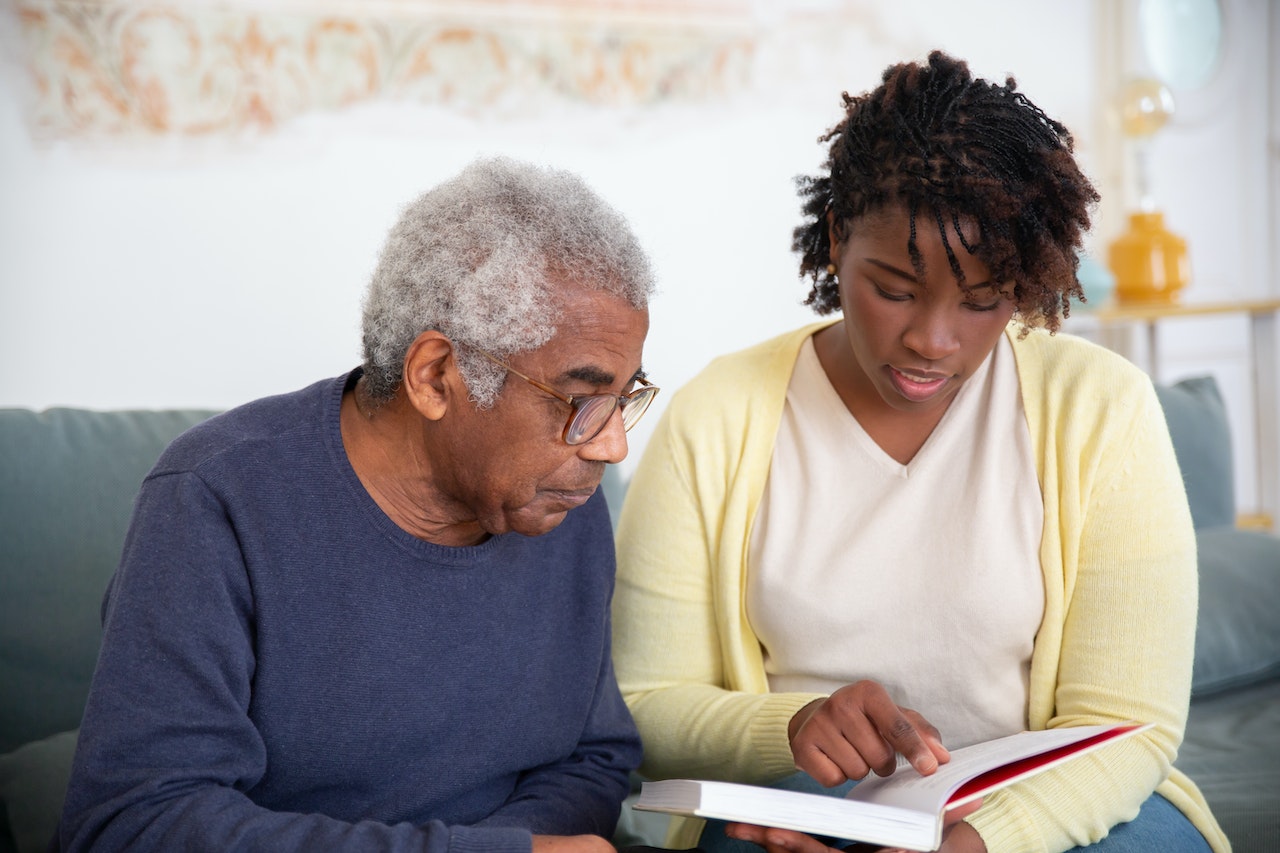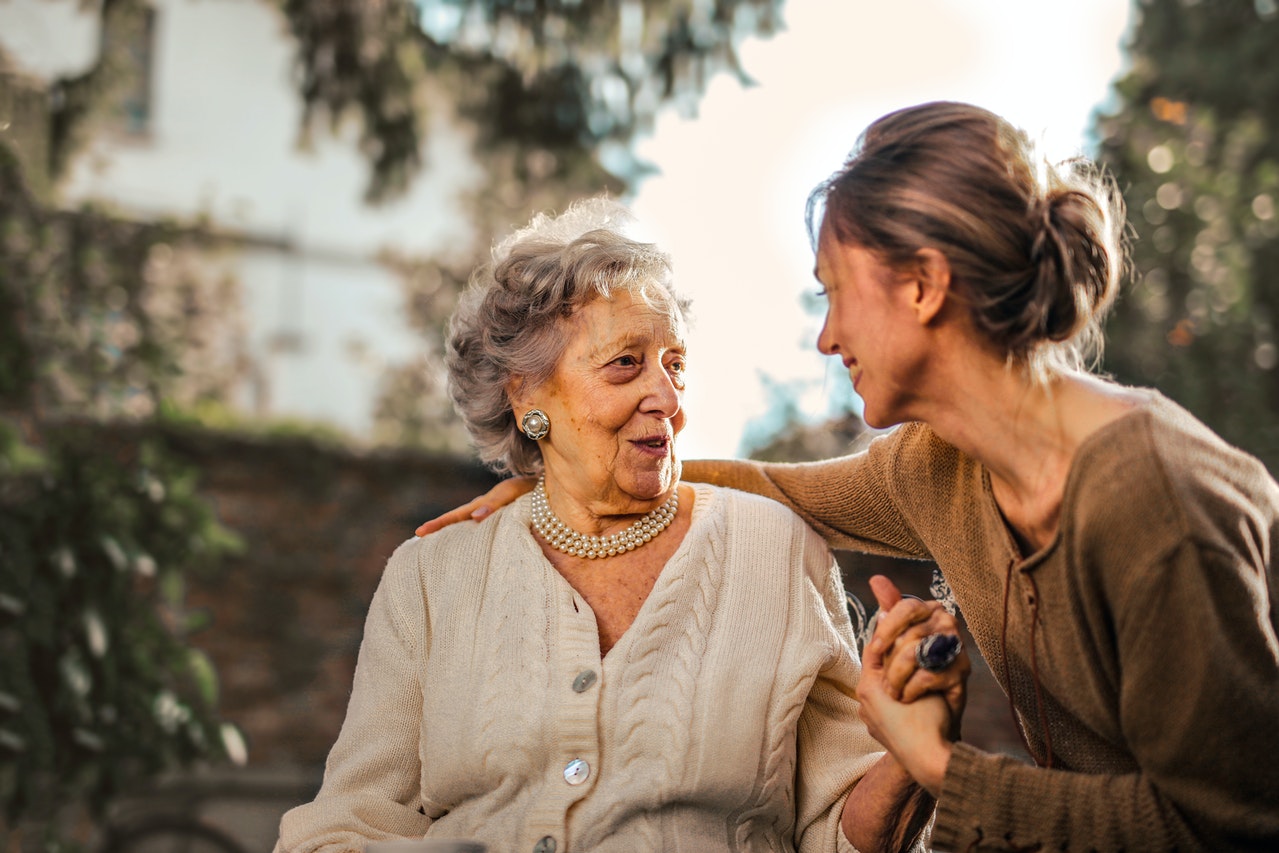
When a loved one is diagnosed with dementia, it can be difficult to process the wide array of emotions that follow. Your feelings of fear, helplessness, and sadness may be overwhelming — but there are ways to manage the feelings of grief and loss while they are still living. Dementia is an irreversible, progressive brain … Read more

Annie Bentley
Do you have a loved one living with dementia? If so, it’s important to find activities that can enrich their quality of life, keep them engaged and help lift the fog of the disease. Dementia is a progressive disease, leading to loss of memory and the ability to think clearly. Dementia makes it difficult to … Read more
Dementia is a broad term that refers to the cognitive decline of one’s memory and intellectual capabilities. This can be distressing for the diagnosed individual, as well as their family and friends. Alzheimer’s disease is the most common type of dementia which significantly affects a person’s ability to recall past events and remember information. It … Read more
Dementia can be a difficult and isolating experience for anyone living with the condition. It involves dramatic changes in a person’s life and can lead to anger, fear, and confusion. People who are living with dementia don’t often have their voices heard in conversations, especially when it comes to the issues that affect them directly. … Read more
Alzheimer’s disease is a progressive neurological disorder that affects the brain, leading to a decline in cognitive function. As the disease progresses, it causes changes in personality and behavior. People with Alzheimer’s may become more forgetful, confused, suspicious, or even aggressive. They may also experience changes in their sleep patterns and have difficulty communicating their … Read more
The symptoms of dementia are often hard to spot because there are no specific tests for the disorder. But doctors do know some things about what happens during different phases of the illness. In the early stages of dementia — usually the mildest form — patients may still be able to take care of themselves. … Read more
For those living with Alzheimer’s or dementia, activities offer stimulation for cognition, social interaction, and relaxation. Whether your loved one is at home or in a memory care community, here’s why it’s important to keep them active and how to do it. Why is it important to keep dementia patients engaged in daily activities? A … Read more
The journey of caring for a loved one with dementia begins at diagnosis. No matter if you’re the primary caregiver or sharing the responsibility with others, caregiving can have its ups and downs. At some point, you may need an alternative to caregiving on your own. Unfortunately, there are many fears people can have about … Read more
When a senior loved one has a form of dementia, there is a significant impact on the entire family. The disease slowly robs a person of their memory and independence. As it progresses, family members become caregivers and supporters. The emotional toll that the situation creates can lead to feelings of grief even though their … Read more
Confusion and forgetfulness are the symptoms most people associate with dementia. But, there are other warning signs that aren’t as obvious. If you are noticing some changes in the personality or behavior of your loved one, you may be wondering if something is wrong. It’s important to understand the difference between normal aging and dementia, … Read more